

A Bitcoin wallet that had been inactive since 2011 moved roughly 75 BTC after receiving a tiny payment carrying a court notice. The transfer, worth about $5 million at recent prices, has drawn attention because the address was named in a New York lawsuit claiming that long-dormant Bitcoin should be treated as abandoned property.
What happened to the 75 BTC
According to CoinDesk, the wallet moved all of its original Bitcoin to a new address on Thursday after more than a decade of inactivity. The transaction also spent several small deposits that had been sent to the address, including a payment containing the words “COURT-ORDERED LEGAL NOTICE.”
The court notice was sent in May as part of an unusual service method. Because the wallet owners were not identified, lawyers used tiny Bitcoin payments with links to the legal papers to notify addresses named in the case.
Why the lawsuit matters
The New York lawsuit seeks ownership of Bitcoin held across 39,069 addresses. The complaint argues that wallets inactive for at least five years contain lost property that can be claimed under state law. CoinDesk reported that the addresses collectively represent roughly 3.8 million BTC, including coins attributed to Bitcoin creator Satoshi Nakamoto.
The movement of this wallet complicates the lawsuit’s central premise. A wallet that can still spend its coins is evidence that someone has access to the relevant private keys. It does not, however, prove who controls the address, whether the person is the original owner, or whether the court notice caused the transfer.
What the on-chain transfer proves
- Key access exists: someone was able to authorize a transaction from the address.
- The old address was emptied: the 75 BTC and the small deposits were combined into a transaction that left the original wallet with no reported balance.
- The coins were not proven to be sold: CoinDesk reported that the Bitcoin remained at the new address as of Friday evening.
- Ownership is still unknown: blockchain data can show movement, but not a person’s legal identity by itself.
Why dormant-wallet movements can move markets
Transfers from early Bitcoin addresses often attract attention because traders watch for signs that long-term holders are preparing to sell. In this case, there is no confirmed evidence that the 75 BTC reached an exchange or entered the market. Treating every old-wallet transfer as immediate selling pressure would go beyond the available evidence.
The story is still relevant because it shows how legal disputes, blockchain transparency and private-key control can collide. It also provides a reminder that “lost Bitcoin” is a legal and factual conclusion, not something that can be established only by looking at how long an address has been inactive.
What to watch next
Market participants will likely monitor the new address for additional transfers, exchange deposits or further movement from other wallets named in the lawsuit. A transfer to a known exchange would carry a different market interpretation from a move to another self-custody address.
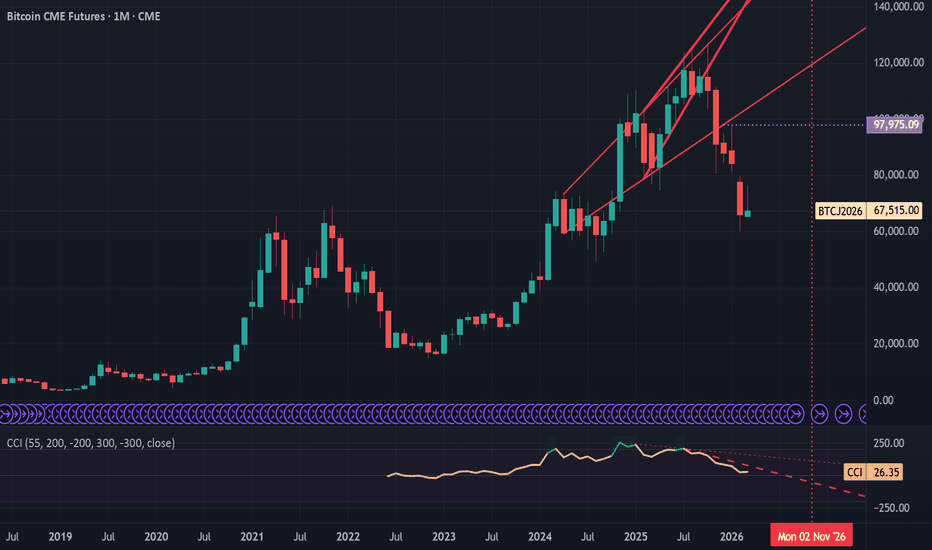
BitcoinAIUpdate has also been tracking the current market stress in Binance Reopens 87 Withdrawal Networks as Bitcoin Trades Near $66.8K and the wider liquidity picture in Bitcoin Falls to $68,000 as Anthropic IPO Frenzy Adds New Liquidity Pressure.
Bottom line
The 75-BTC transfer proves that someone could still access the dormant wallet. It does not prove that the coins were sold, identify their owner or establish that the lawsuit prompted the move. Until the new address sends funds to an exchange or another identifiable service, the strongest conclusion is simply that a long-inactive Bitcoin address became active again.
Source: CoinDesk’s report on the dormant Bitcoin wallet and the New York lawsuit.
This article is for informational purposes only and is not investment advice. Cryptocurrency markets are volatile, and readers should do their own research.


Leave a Reply