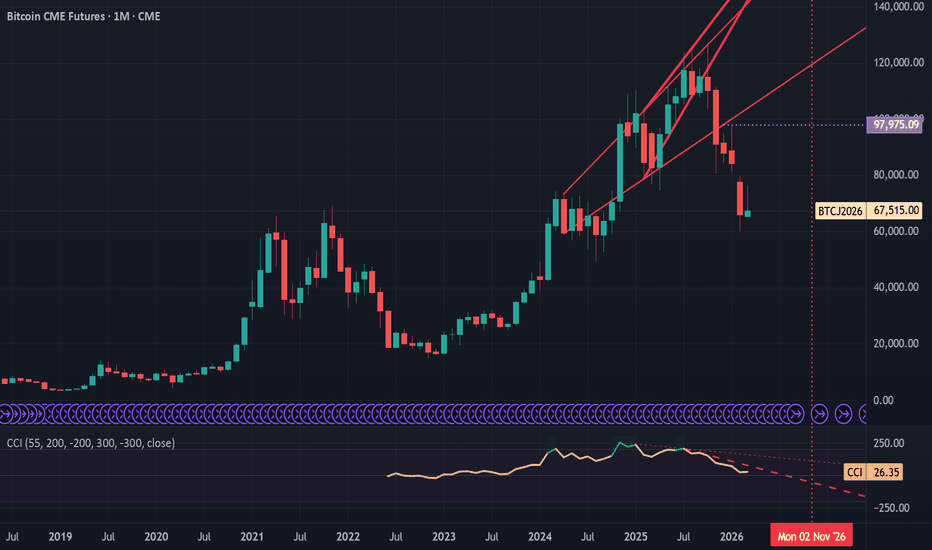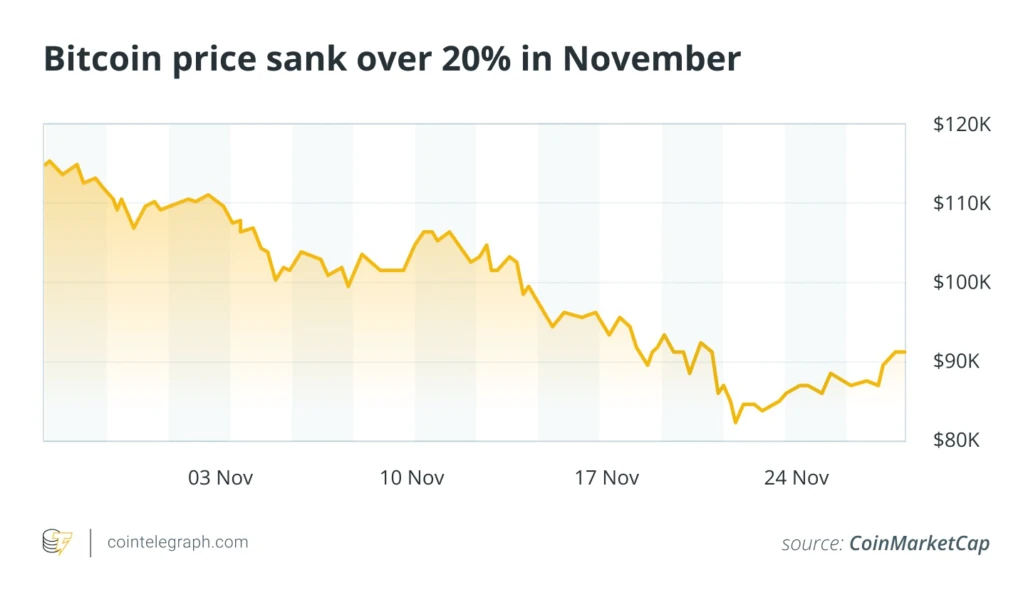
Institutional fund flows and stablecoin supply have become important indicators to watch as crypto markets trade cautiously in November 2026. A KuCoin market report published on November 12 said U.S. spot Bitcoin ETFs recorded approximately $95 million in net outflows on November 10, the fourth consecutive session of outflows. The same report cited a roughly $14.2 billion reduction in total stablecoin supply over the preceding 30 days.
What the reported Bitcoin ETF outflows mean
Spot Bitcoin exchange-traded funds provide investors with a regulated fund structure for exposure to Bitcoin in jurisdictions where the products are available. Net outflows mean that, for the period measured, reported redemptions exceeded new subscriptions. Persistent outflows can indicate weaker demand for those particular products, but they do not measure every investor’s activity across exchanges, private funds, derivatives or direct wallet holdings.
The figure cited here is a dated snapshot from the KuCoin report, which attributes its market data to external providers. Readers should consult the relevant fund issuer or data provider for the complete daily series before drawing conclusions.
Why stablecoin supply matters
Stablecoins are digital tokens designed to track the value of a reference asset, commonly the U.S. dollar. Traders use them as settlement assets, as a way to move value between exchanges and as collateral in parts of decentralised finance. A contraction in aggregate stablecoin supply can be consistent with funds leaving the ecosystem, but supply movements can also reflect redemptions, changes in issuer activity, chain migrations and market-specific factors.
KuCoin’s report cited a roughly $14.2 billion decline over 30 days and described it as the largest decline since 2022. That is a secondary-source statement and should be checked against the underlying stablecoin datasets before being used as a definitive market-wide measure.
Do these indicators explain Bitcoin’s price?
They provide context, not a complete causal explanation. Bitcoin’s price can respond to multiple forces at once, including spot demand, derivatives positioning, macroeconomic expectations, liquidity, exchange conditions and news. A simultaneous decline in ETF flows, stablecoin supply and prices does not by itself prove that one indicator caused another.
What market participants can monitor
- Daily net flows from individual spot Bitcoin ETF issuers and the aggregate market.
- Stablecoin supply by issuer and blockchain, rather than relying only on one combined headline number.
- Spot trading volume and liquidity across major exchanges.
- Open interest and funding rates, to distinguish spot demand from leveraged positioning.
- Changes in U.S. Treasury yields, inflation expectations and Federal Reserve policy signals.
Conclusion
The reported ETF outflows and stablecoin contraction are cautionary liquidity indicators worth monitoring, but they are not standalone price predictors. A sound assessment should compare the underlying datasets over several weeks and consider other sources of demand and supply across the crypto market.
Sources
- KuCoin — Crypto Daily Market Report, November 12, 2026.
- CoinGecko — cryptocurrency market data.
- DefiLlama — stablecoin and DeFi data documentation.
Disclaimer: This article is informational only and does not constitute investment, trading, legal or tax advice. Crypto assets and stablecoins involve market, issuer, technology and regulatory risks. Verify the underlying data independently.